A stage actor walks out with ninety minutes of text in their head and no way to check it. That is the extreme end of a skill most of us need in small doses: a toast, a pitch, a sixty-second video that has to land word for word.
The techniques actors use are old and well tested, and they transfer. So does a question that comes before them: whether you need to memorize at all. Both halves are below.
How actors actually do it
- 1
Learn it on your feet
Memory sticks to muscle. Actors run lines while walking, gesturing, doing the moves that go with the words. Reading silently at a desk is the slowest possible route.
- 2
Chunk it into thoughts
Nobody memorizes a page. You memorize one thought, then the next. Split the script into beats of a sentence or two and learn them as units, in order.
- 3
Use the first-letter trick
Write only the first letter of every word on a card. Unreadable as text, enough as a cue. It forces your brain to recall instead of re-read, which is what builds the memory.
- 4
Drill the seams
Where people blank is between thoughts, never inside them. Practise the last line of one beat straight into the first line of the next.
- 5
Sleep on it
Memory consolidates overnight. Two twenty-minute sessions on different days beat one two-hour session, every time.
Why it works on stage and struggles on camera
On stage, the audience sits ten metres away and the show happens once. On camera, the lens sits at arm’s length and picks up the one thing memorizing can’t hide: the recall face. The eyes drift up and sideways while you search for the next line, the delivery flattens, and the viewer feels it without knowing why.
Video also has retakes, which changes the economics. An actor drills for days because the stage offers no second chance. A creator gets as many takes as they like, so the days of drilling buy very little. What a scripted video needs is the words, exact and hands-free, while your eyes stay on the lens.
When memorizing is still the right call
- Acting, where the words have to live in your body and a prompter would show in your eyes for ninety straight minutes.
- Conversation: interviews and podcasts can’t be prompted. Know your points cold, never your sentences.
- A single line. A hook or a punchline is faster to learn than to set up a prompter for.
When to skip it
A scripted talking-head video is the clearest case. Read it from a teleprompter instead: your eyes stay near the lens, the take is word-perfect on the first pass, and the hours you would have spent drilling go into making the next video. The mechanics of not sounding like you’re reading are in the teleprompter guide.
| Memorizing | Teleprompter | |
|---|---|---|
| Prep for 200 words | An hour or more, spread over days | Five minutes |
| Names and technical terms | Right if you drilled them | Always right. It’s your text |
| Your eyes | Drift while you search | On the lens, if you set it up right |
| Best for | Acting, stage, conversation | Talking-head video, tutorials, ads |
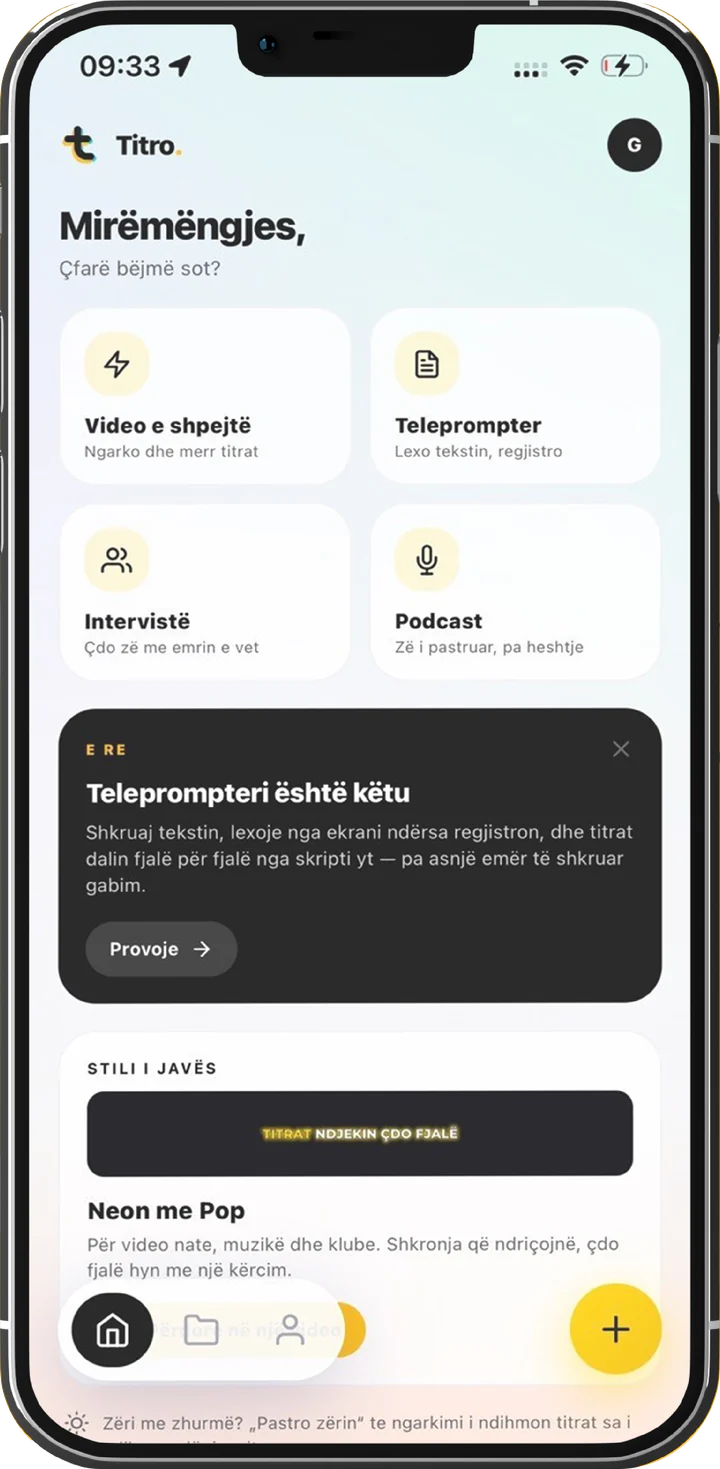
In Titro the script does double duty: the phone scrolls it near the lens while you record, and the subtitles come word for word from the same text, timed to your voice. Nothing to transcribe, nothing to memorize, and no name spelled wrong. There’s also a free online teleprompter that runs in the browser when you just need the scroll.
Learn the five techniques; they’re worth having. Then save them for the stage and the toast, and let the prompter carry the videos. Your first Titro video is free.